Rhino Ecological Impact Study
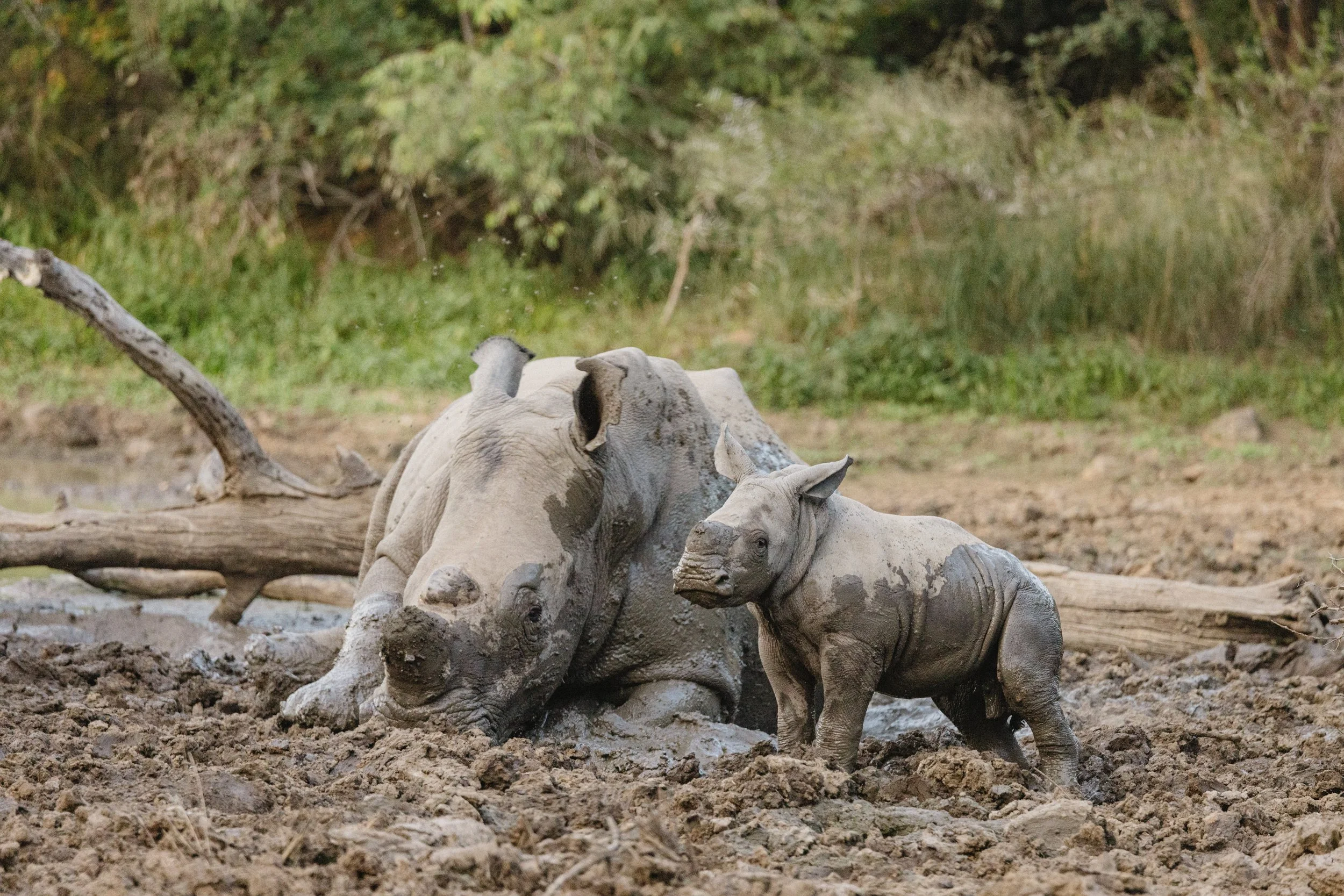
At Rhino Revolution we believe that if rhinos can be shown, through peer reviewed data, to be both economically and ecologically valuable to a reserve then we will help to trigger a reversal in the dramatic trend of the loss of rhino appropriate habitat. Over a 10 year period (from 2010-2020) the number of reserves in South Africa that were home to rhinos dropped by 50% from 300 to 150. The driving reason behind this sharp decline was the ever rising security costs associated with protecting the rhinos from poaching. These costs reached breaking point in 2023 when it became widely publicised that rhinos had become “worth more dead than alive”.
Our conservation strategies have targetted two key areas:
Realign the economics so that rhinos are worth more alive than dead (click the link below to read more about the Ubuntu Project which targets this goal);
Demonstrate that rhinos have an intrinsic ecological value within the ecosystems they inhabit.
It is the latter goal that this long-term study aims to address.

Aim of the Project
Analyse and collect objective data to demonstrate the ecological importance Black and White Rhinos play within ecosystems.
We aim to establish the lifespan of a rhino midden, comparing middens of both black and white rhinos.
We aim to assess the value of these middens to specific biodiversity (focussing on dung beetles and fungal communities).
We aim to understand the implications of this biodiversity support on the wider ecosystem.
Middens
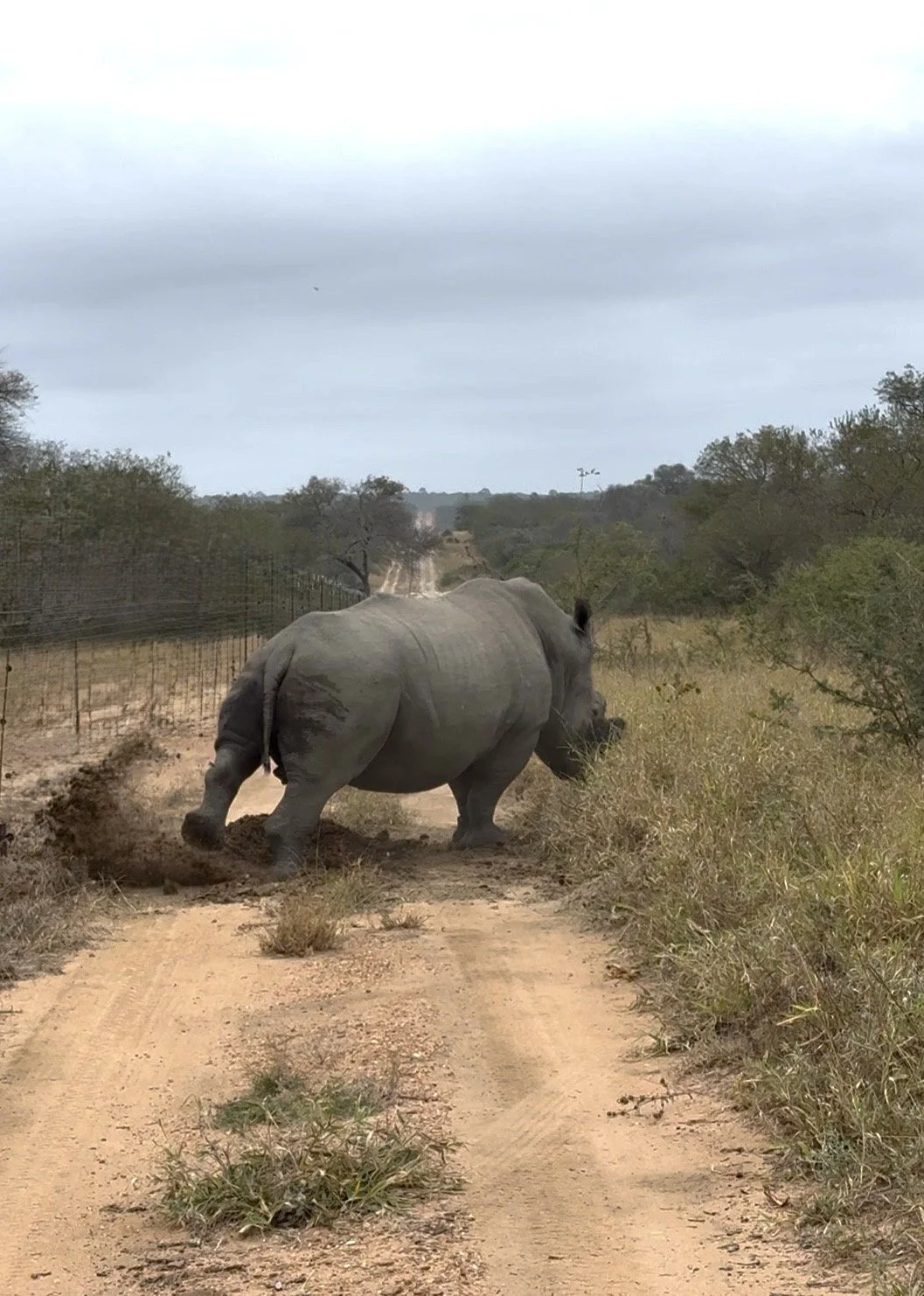
Rhino middens are unique features in an ecosystem. As mega-herbivores and hindgut fermenters both black and white rhinos create huge nutrient deposits and habitats that persist for years sheltered from the environment around them.
There is a serious deficit in long term studies observing and analysing the lifespan of rhino middens. They are assumed to persist for decades based on the average territorial duration of rhino bulls but data is seriously lacking when it comes to understanding whether they are used permanently, seasonally or opportunistically by the rhinos.

©Vaughan Jessnitz
Analysing the Biodiversity - the beetles!
Dung beetles use various dung as food sources but middens present a valuable lifecycle resource, providing safe and consistent spaces for dung beetles to carry out essential life processes.
Our study looks to document and understand the abundance and diversity of dung beetles species using black and white rhino droppings as food sources; and to compare this to the abundance and diversity of dung beetle species using black and white rhino middens as habitats to complete essential lifecycle functions.
If middens are lost from an ecosystem they do not have an easy replacement, understanding their importance to the dung beetle communities is, therefore, vital to understanding the overall role that rhinos play in the health of an ecosystem.
Analysing the Biodiversity - the Fungus!
Fungus is a kingdom whose importance is gradually becoming apparent as more detailed studies are carried out relating to its diversity, functions and roles within an ecosystem.
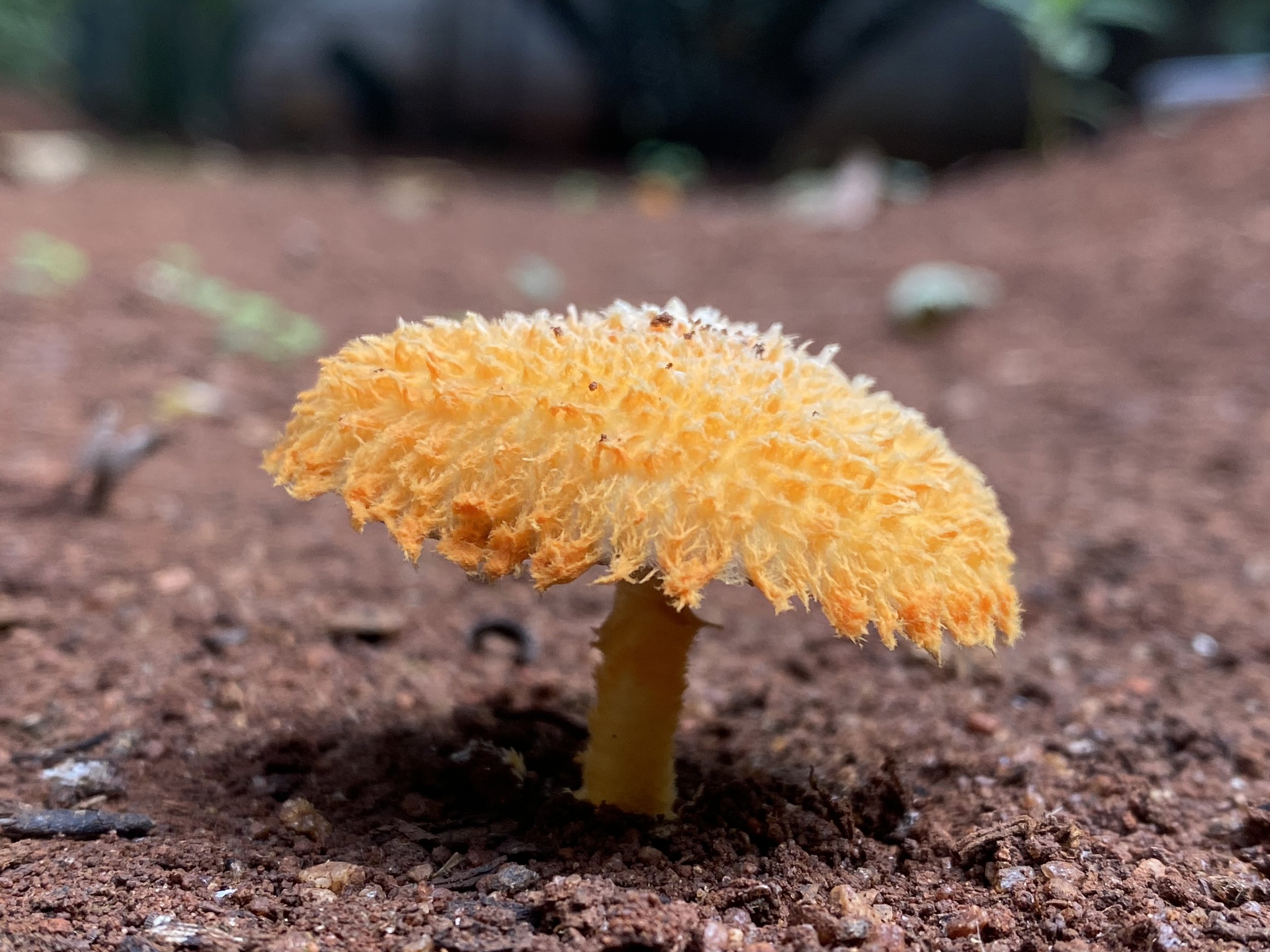
It is a common sight to come across rhino middens with sprouting fungal fruiting bodies emerging from them.
Our study seeks to document and identify the different species complexes that utilise the rhino middens to better understand the wider impact they might be having on the ecosystem as a whole.